Low Dose Naltrexone (LDN) Basics: How It Works and Who It Helps
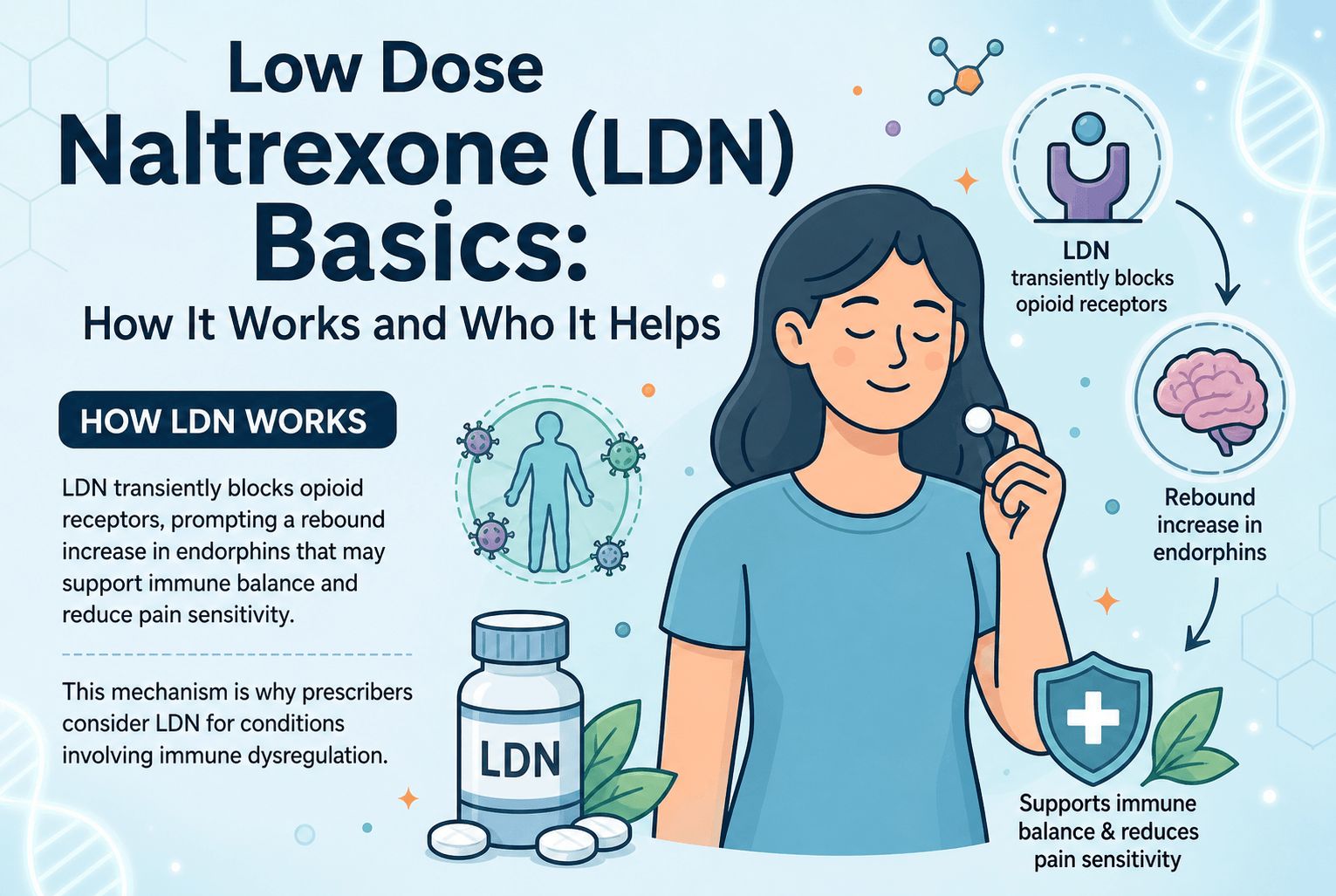
Low Dose Naltrexone (LDN) is compounded at doses far below those used for opioid dependence. At these lower doses, LDN shows paradoxical effects—supporting immune modulation and reducing inflammation—without the typical opioid blockade used in addiction therapy.
How LDN Works
LDN transiently blocks opioid receptors, prompting a rebound increase in endorphins that may support immune balance and reduce pain sensitivity. This mechanism is why prescribers consider LDN for conditions involving immune dysregulation.
Common Reasons Prescribers Consider LDN
- Autoimmune and inflammatory conditions (e.g., Hashimoto’s, MS, inflammatory bowel disease)
- Pain syndromes (e.g., fibromyalgia)
- Adjunct support where standard options are insufficient or not tolerated
What Patients Often Ask
- Is a prescription required? Yes—LDN must be prescribed and compounded to the strength and dosage form your clinician recommends.
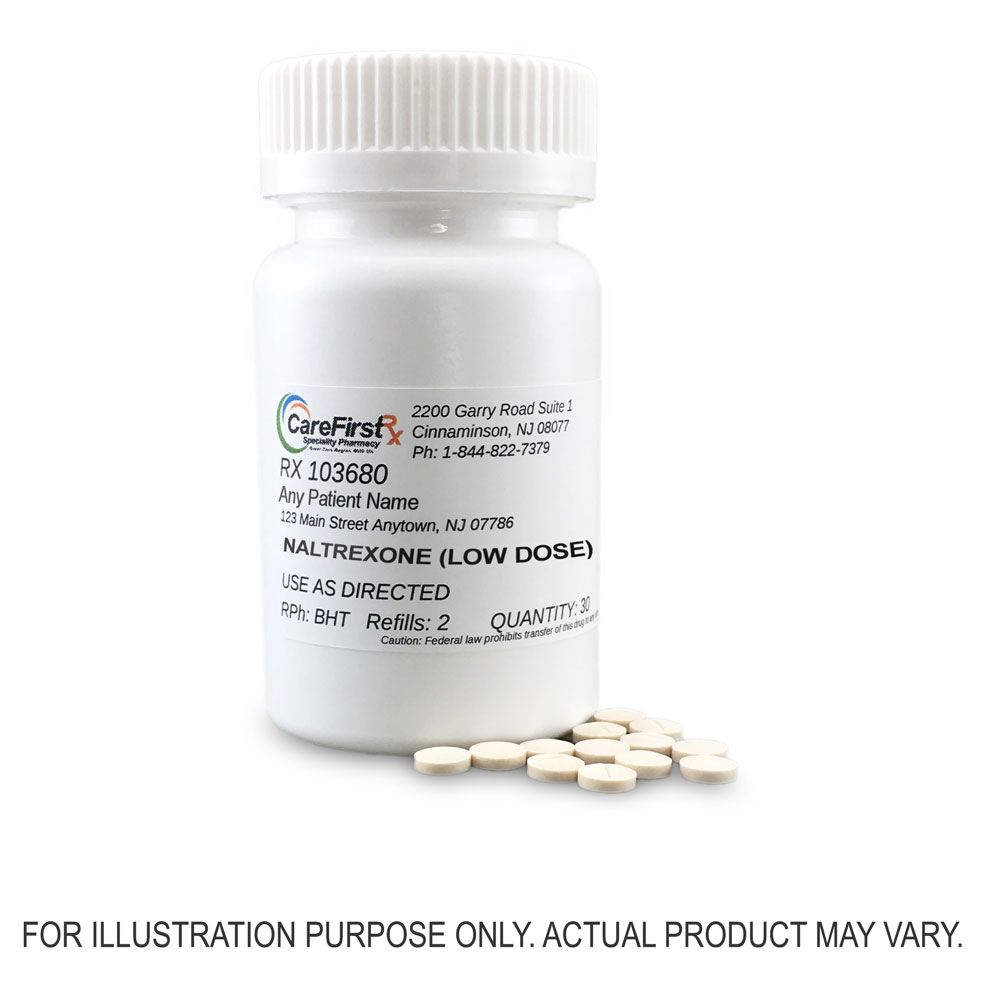
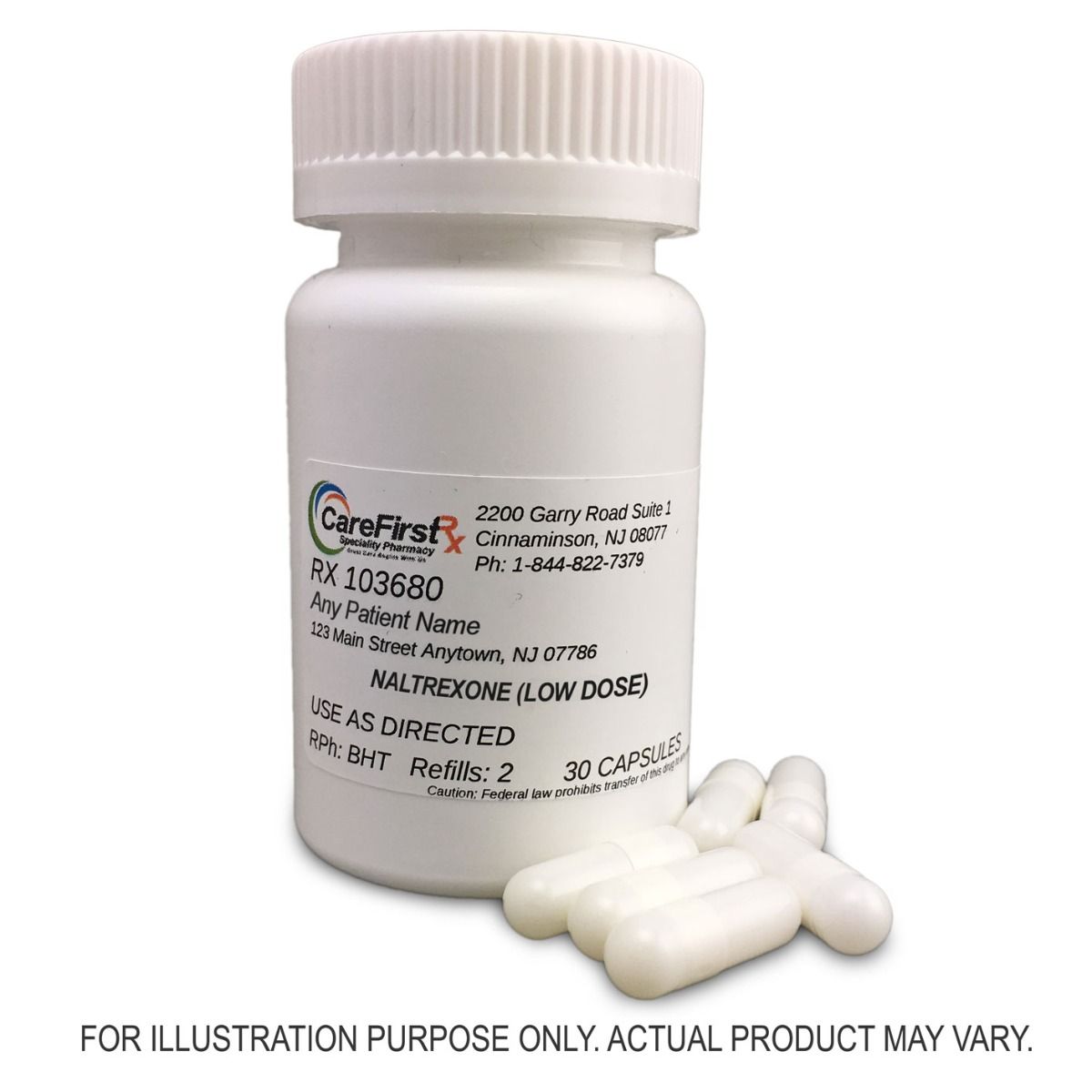
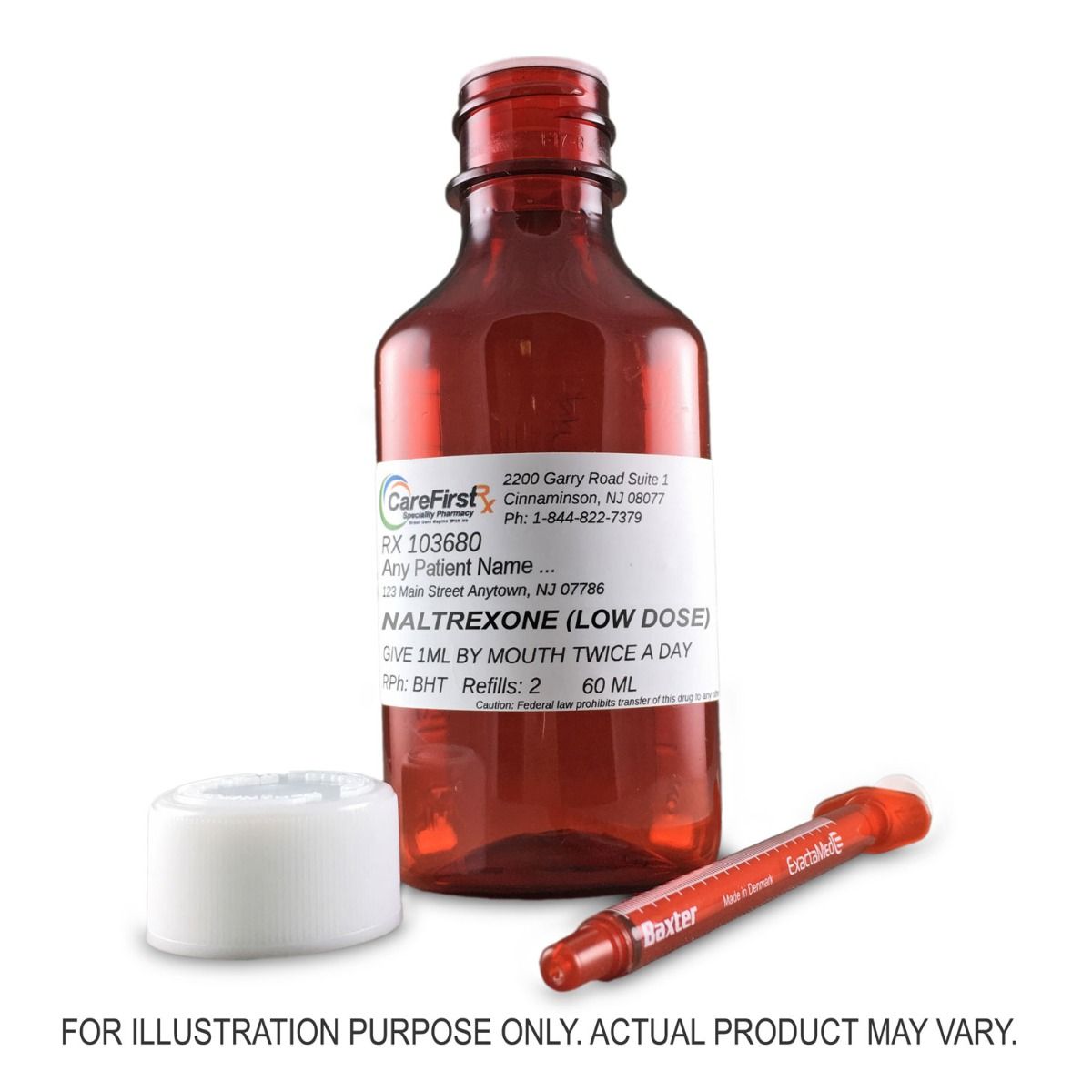
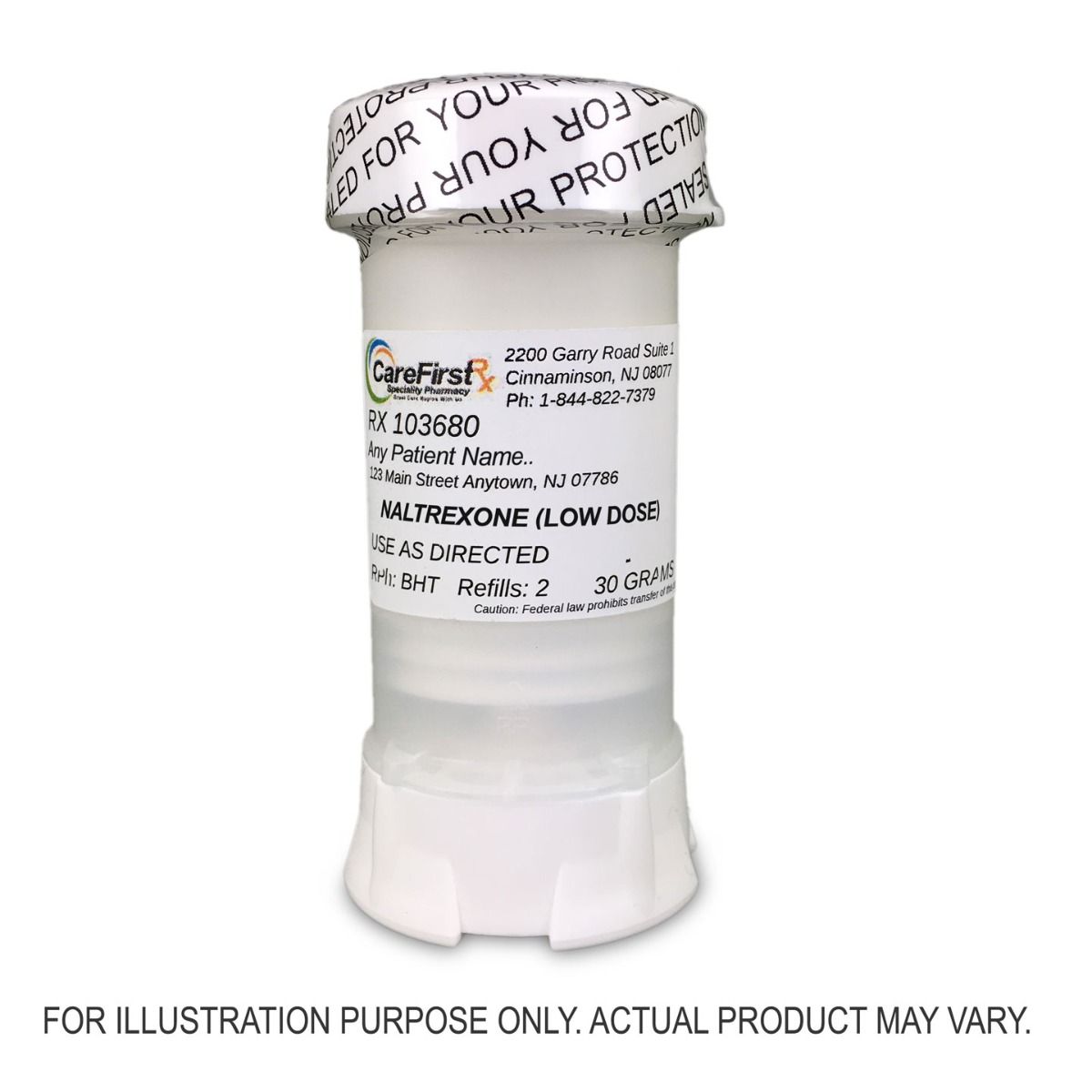
- How is it made? At CareFirst, we compound immediate-release tablets, capsules, suspensions, drops, and topical creams tailored to your needs.
- How do I start? Talk with your prescriber about your history and medications. Because LDN can interact with opioids, a washout period is typically required.
LDN continues to be studied, and patient experiences highlight its potential as part of a personalized care plan. Always follow your prescriber’s guidance and consult our pharmacy team with any questions about dosing, fillers, or available formulations.